November 19, 2026
What to Expect From Your First TRT Replacement Therapy Near Me Visit
By @lukashtpd141

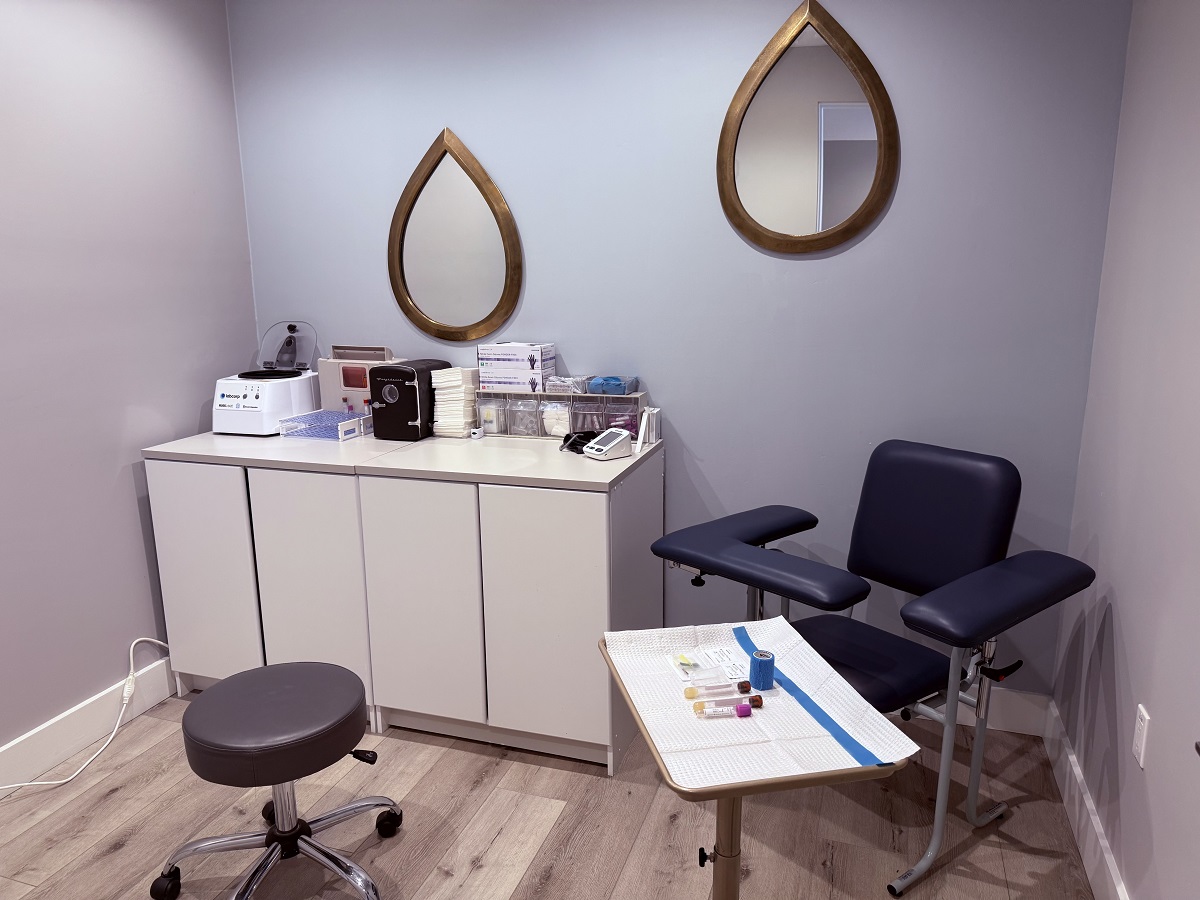

Searching for Trt replacement therapy near me usually starts with a simple goal: you want to feel like yourself again. Maybe your energy has dropped off, your workouts no longer move the needle, your sleep is lighter, your mood is flatter, or your sex drive has changed enough that you cannot ignore it. For many men, the first clinic visit feels like a mix of relief and uncertainty. Relief, because they are finally taking symptoms seriously. Uncertainty, because testosterone replacement therapy carries a lot of noise around it, some informed, some careless, and some plainly wrong.
A good first visit should not feel like a sales pitch. It should feel like a careful medical evaluation. The right clinician is not there to hand out testosterone because you typed a phrase into a search bar. They are there to determine whether your symptoms and lab findings actually fit testosterone deficiency, whether something else may be causing the same complaints, and whether treatment is likely to help more than it harms.
That distinction matters. Low testosterone symptoms overlap with poor sleep, alcohol overuse, untreated sleep apnea, thyroid problems, depression, obesity, overtraining, medication side effects, and chronic stress. If your first appointment skips over those realities, that is not efficient care. It is incomplete care.
The first visit is usually more thorough than people expect
Many patients imagine a quick consultation, a blood draw, and a prescription. In practice, the better clinics move more deliberately. They want a timeline of symptoms, a broad health picture, and a baseline before any treatment changes your numbers.
Expect your provider to ask when symptoms began, whether they came on gradually or suddenly, and what has changed in the last year or two. A skilled clinician will usually dig into sleep quality, training habits, body composition, medication use, fertility goals, stress levels, and libido, not just one headline symptom. If someone tells me he is exhausted by 3 p.m., irritable, and has gained fifteen pounds, I do not automatically assume testosterone is the entire story. If he also snores heavily, wakes unrefreshed, and has borderline high blood pressure, sleep apnea moves onto the table very quickly.
That is the tone you want from a first appointment: curiosity, not haste.
Why symptoms alone are not enough
Testosterone therapy is based on both clinical symptoms and laboratory confirmation. One without the other is not a solid foundation. Plenty of men with normal testosterone feel awful for reasons that have nothing to do with androgen deficiency. On the other side, some men with low lab values do not feel significantly impaired and may not benefit enough from treatment to justify the commitment.
Most competent clinics will want blood work drawn at the right time, often in the morning, because testosterone levels naturally fluctuate. If you already had labs done elsewhere, bring them, but do not be surprised if the new clinic repeats testing or orders a more complete panel. They are not trying to make the process harder. They are trying to avoid anchoring on incomplete data.
One very common frustration goes like this: a patient says, “My testosterone came back low once, so I know I need TRT.” That single result may or may not reflect the full picture. Illness, poor sleep, calorie restriction, heavy drinking, and timing can all affect a result. A responsible provider usually wants to confirm a pattern, not react to one isolated number.
What the intake process often covers
The paperwork can feel tedious, but it tells the clinician a great deal. You may fill out forms about fatigue, sexual function, mood, concentration, sleep, and exercise tolerance. You will probably be asked about medical history, surgeries, heart disease risk factors, blood clotting issues, prostate history, medications, supplements, and family history.
You should also expect direct questions about fertility. This catches many first-time patients off guard. Testosterone replacement therapy can suppress sperm production, sometimes significantly. If you may want children in the near future, say that clearly. It changes the conversation. A provider who does not ask about fertility before discussing TRT is missing a crucial step.
The same goes for sleep. If your partner has told you that you snore loudly, stop breathing, or gasp at night, mention it. Untreated sleep apnea can worsen fatigue and low testosterone symptoms, and TRT may complicate the picture in some men if the apnea is not addressed.
The physical exam is not just a formality
At the first appointment, the clinician may check blood pressure, heart rate, weight, waist measurement, and body composition markers if the clinic uses them. They may also examine the thyroid, listen to the heart and lungs, and discuss signs of insulin resistance or metabolic syndrome. Depending on your age, symptoms, and medical history, parts of the exam may be more focused.
This is not performative medicine. Blood pressure matters because testosterone therapy can affect fluid balance and, in some cases, blood counts. Waist circumference matters because abdominal fat is closely tied to hormonal health, sleep quality, and cardiometabolic risk. A man with low-normal testosterone, central weight gain, poor sleep, and rising glucose may need a broader plan than a vial and a follow-up date.
A careful exam also helps establish a starting point. If your clinician later needs to judge whether treatment is helping, they need more than your memory of “feeling off.”
Blood work is where the appointment gets serious
Most reputable clinics order more than total testosterone. Exact panels vary, but the general aim is to understand hormone status, overall health, and treatment safety. Testosterone does not operate in isolation. Neither should the lab review.
A first-round lab discussion often includes total testosterone, and in many cases free testosterone, because the amount available to tissues can matter as much as the total number. Estradiol may be assessed for context. CBC is commonly reviewed because hemoglobin and hematocrit can rise on TRT. A metabolic panel helps screen liver and kidney function. Lipids, thyroid markers, A1c or glucose, PSA in appropriate patients, and sometimes LH and FSH help fill out the clinical picture.
This is where nuance matters. There is no single magic number that dictates treatment for every man. Reference ranges differ by lab. Symptoms differ by person. Age, body fat, sleep, stress, and medications all influence interpretation. A good provider does not point at one result and make a grand promise. They interpret the whole pattern.
I have seen men come in convinced they needed TRT because of online symptom checklists, only to find their biggest issue was severe sleep disruption and under-eating during aggressive weight loss. I have also seen men with clearly low values, persistent symptoms, and obvious improvement once therapy was properly started and monitored. The point is not skepticism for its own sake. It is proper diagnosis.
You may not leave with treatment the same day
This surprises people, especially if they found the clinic by searching Trt replacement therapy near me and expected a fast-track process. Some clinics do offer same-day starts, particularly if you arrive with complete recent labs and a straightforward history. Others wait for confirmatory blood work or additional testing first.
Neither approach is automatically right or wrong. The real question is whether the decision is medically justified.
If your history is simple, your symptoms are classic, your labs are clearly low, and there are no red flags, treatment may be discussed quickly. If your case is less clear, a pause is often the smarter move. Men with untreated sleep apnea, significantly elevated hematocrit, unstable heart issues, fertility priorities, or unexplained symptoms may need a more cautious plan.
A good clinician should explain why they are recommending treatment now, or why they are not.
The TRT discussion should include methods, not just promises
Once you reach the treatment conversation, expect to hear about delivery methods and practical trade-offs. Injections are common because they are effective, widely available, and often more affordable than gels or pellets. But even within injections, there are details that matter, such as dosing frequency, how stable levels feel from week to week, and whether you are comfortable self-administering.
Topical gels appeal to men who dislike needles, but they require daily consistency and carry transfer precautions. Pellets can be convenient for some patients, though they are less flexible once placed and not ideal for everyone. The best option depends on your physiology, schedule, preference, and budget.
This part of the visit is where experience shows. An experienced TRT clinician usually talks less about “boosting masculinity” and more about dose stability, symptom tracking, side effects, lab monitoring, and patient adherence. Those are the details that actually shape outcomes.
Expect a candid conversation about side effects and limitations
Trt replacement therapy near meTRT is not a universal fix. It can improve energy, libido, recovery, mood, and body composition in the right candidate, but it does not replace sleep, discipline, calorie balance, therapy, or cardiovascular fitness. If a clinic frames testosterone as a cure for everything, be cautious.
You should hear about the possibility of acne, oily skin, water retention, breast tenderness in some cases, changes in mood, and increased red blood cell production. Hair loss risk may matter if you are genetically predisposed. Fertility suppression should be discussed clearly, not mumbled through. If your provider does not bring up monitoring, that is a problem.
You should also hear that response is variable. Some men notice meaningful changes within several weeks, especially in libido and energy. Body composition and strength changes usually take longer and depend heavily on sleep, training, and food intake. If someone promises a dramatic transformation by next month, they are selling an image, not practicing medicine.
What you should bring to make the visit more useful
The more complete your history, the better the first appointment tends to go. A little preparation can save weeks of back-and-forth.
- Recent lab results, if you have them, especially hormone panels, CBC, metabolic panels, lipids, A1c, PSA when relevant
- A medication and supplement list, including sleep aids, antidepressants, opioids, and over-the-counter testosterone boosters
- A brief symptom timeline with notes on energy, libido, sleep, mood, training performance, and weight changes
- Any relevant diagnoses, such as sleep apnea, thyroid disease, diabetes, high blood pressure, or fertility concerns
- Insurance details and a realistic sense of your monthly budget for ongoing care
That last point is not glamorous, but it matters. TRT is usually not a one-time expense. There may Trt replacement therapy near me be consultation fees, labs, medication costs, supplies, and follow-up visits. Knowing what you can sustain helps the provider recommend a realistic plan.
Cost is part of the medical conversation, whether people like it or not
When people search for Trt replacement therapy near me, they are often comparing convenience and price without realizing how much clinic models vary. Some practices bill insurance, some are cash-based, and some package labs, medication, and follow-up into monthly memberships. None of those structures is inherently bad, but you should understand what is included.
A low advertised price can leave out essential lab monitoring. A premium package may include useful oversight, or it may simply be wrapped in better branding. Ask plainly what you are paying for and how often follow-up labs are expected. Sustainable care beats an attractive first-month offer every time.
In real life, the least expensive option is not always the cheapest in the long run if it leads to poor monitoring, dosing swings, or avoidable side effects. On the other hand, the most expensive clinic is not automatically the most competent. Look for clarity, not polish.
Follow-up is where quality really shows
The first visit matters, but TRT is not judged by the elegance of a consultation. It is judged by the quality of follow-up. Once treatment starts, you should know when labs will be rechecked, what symptom changes to watch for, and how dose adjustments are handled.
Most sound protocols reassess you after the early treatment period rather than leaving you on autopilot. The provider should care how you feel, what your blood pressure is doing, whether your hematocrit is climbing, how your estradiol-related symptoms look in context, and whether the original goals are actually being met.
Good follow-up also means resisting the urge to chase numbers for their own sake. This is one of the most common mistakes in hormone care. Some men become fixated on hitting a specific testosterone value because they saw it discussed online. The number matters, but only as part of the broader clinical picture. If symptoms improve, labs remain in a safe range, and the regimen is tolerable, that is far more meaningful than bragging rights over a lab result.
Red flags during the first appointment
A few warning signs are worth taking seriously. If the clinician barely reviews your medical history, does not ask about fertility, ignores sleep issues, or offers testosterone before discussing the need for proper labs, pause. If the clinic seems far more interested in signing you up than explaining risks, pause again.
The strongest TRT practices tend to be calm, not flashy. They answer practical questions. They explain why certain labs matter. They talk about alternatives when appropriate. They do not shame you for asking basic things, and they do not oversell life-changing results.
Here are a few questions worth asking before you commit:
- How do you confirm whether I am actually a good candidate for TRT?
- What labs do you check before treatment and during follow-up?
- How do you handle fertility concerns if I want children in the future?
- What side effects do you watch most closely in the first few months?
- What does the full cost look like over six to twelve months?
If the answers are vague, defensive, or overly rehearsed, keep looking.
What the emotional side often looks like
Men do not always expect the first visit to feel personal, but it often does. Many have spent months second-guessing themselves. They know something is off, but they are not sure whether they are overreacting, getting older, burned out, or dealing with a hormonal issue. The appointment can bring relief simply because the conversation is finally concrete.
That said, try not to pin too much hope on one visit. Even if you are a clear TRT candidate, hormone optimization is usually a process, not a dramatic overnight shift. Dosing takes adjustment. Sleep and training still matter. Weight loss, if needed, still takes work. Relationships, stress, and mental health still affect how you feel day to day.
In other words, the best first visit does not merely open the door to testosterone. It gives you a more honest understanding of your health.
A good first appointment leaves you with a plan, not just a product
By the end of your visit, you should know where you stand. Maybe you need repeat morning labs. Maybe you need a sleep study before anyone touches hormones. Maybe you are an excellent candidate and are ready to start treatment with a clear monitoring schedule. Maybe the clinician believes your testosterone is not the primary issue and points you toward a different workup.
All of those outcomes can be appropriate.
The first TRT consultation is successful when it replaces guesswork with structure. You understand what the clinician sees, what questions remain open, what risks need attention, and what comes next. If you walk out with that level of clarity, the visit has done its job.
For men who have been dragging through low energy, stalled recovery, reduced drive, and a nagging sense that something changed, that kind of clarity can be the first real step forward. Not because it guarantees testosterone therapy, but because it starts with the right question: what is actually going on here, and what is the safest, smartest way to treat it?
SDBody La Jolla
Address: 7710 Fay Ave, La Jolla, CA 92037
Phone number: +18584012383
FAQ About Trt replacement therapy near me
Will insurance pay for TRT therapy in La Jolla, CA?
Coverage varies by plan and may depend on the diagnosis, blood test results, medication and prior authorization. Ask your insurer which visits, lab tests and formulations it covers and what you would pay out of pocket.
What is the most affordable TRT clinic in La Jolla?
Compare written estimates for the initial visit, lab work, medication and follow-up monitoring. Your total cost will depend on your insurance and the care your clinician recommends.
Is TRT replacement good for you in La Jolla, CA?
Testosterone replacement may help some people with symptoms and consistently low testosterone confirmed by blood tests. A clinician can review the potential benefits, risks, fertility plans and monitoring needs before recommending treatment.
❧