November 19, 2026
TRT Replacement Therapy Near Me: How Consultations Usually Work
By @lukashtpd141
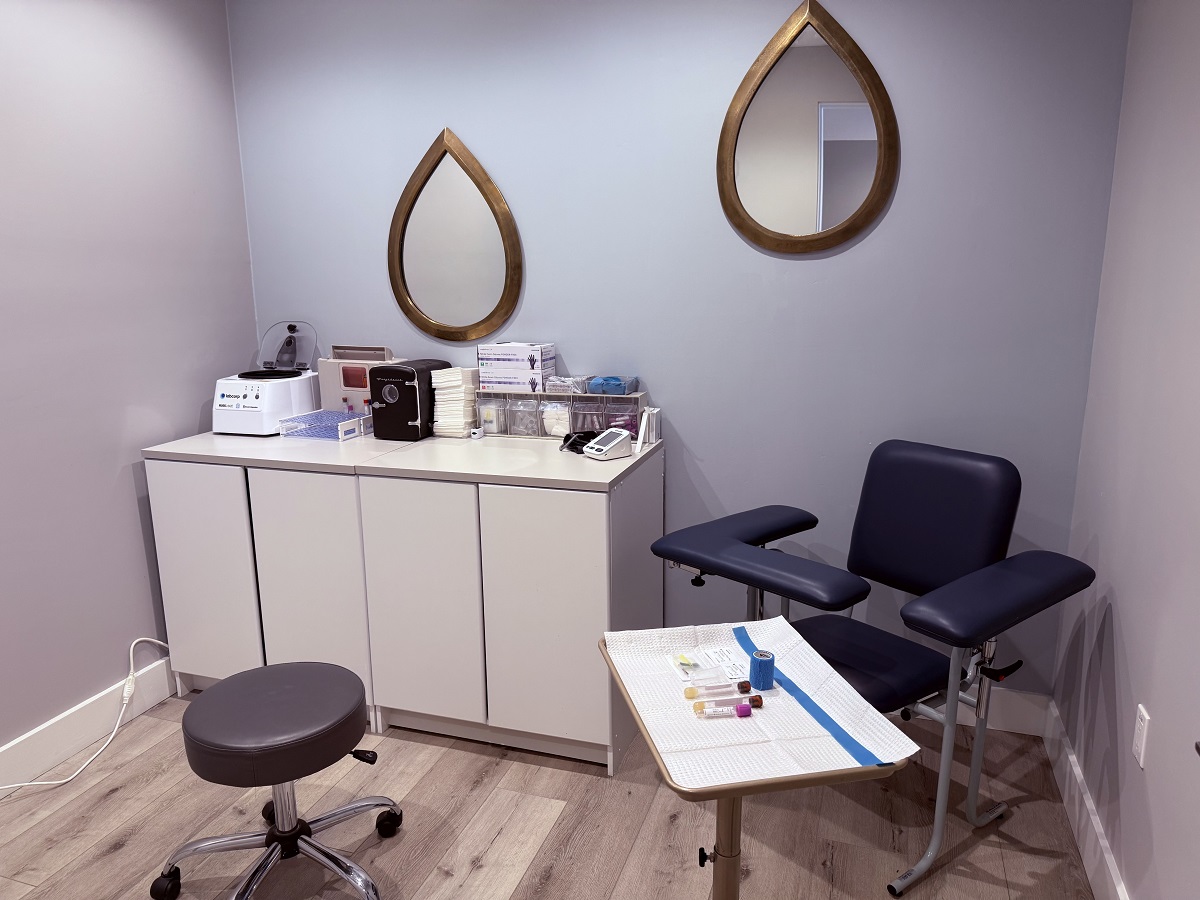
Typing Trt replacement therapy near me into a search bar is often the easy part. The harder part is figuring out what actually happens once you book an appointment, what a good consultation feels like, and where the red flags tend to show up. Many men come into this process with a mix of hope and caution. They may be dealing with fatigue, low libido, poor recovery from workouts, mood changes, or a sense that something has been off for months or even years. At the same time, they have heard enough marketing to know that not every clinic approaches testosterone replacement therapy with the same level of care.
A proper consultation should never feel like a quick sales call for a lifetime prescription. It should feel like a structured medical evaluation. Good clinics do not start with a vial and a syringe. They start with questions, history, lab work, and context.
That matters because low testosterone is not a diagnosis you make from symptoms alone. Plenty of issues can mimic it. Poor sleep, weight gain, shift work, high alcohol intake, thyroid problems, depression, sleep apnea, certain medications, uncontrolled diabetes, and chronic stress can all produce a similar picture. In real practice, one of the most common surprises is that a patient walks in convinced he needs TRT and ends up discovering that untreated sleep apnea or significant insulin resistance is driving a large part of the problem. Sometimes testosterone still becomes part of the solution. Sometimes it does not. A good consultation leaves room for that uncertainty.
Why people usually seek a consultation
Most men do not make this appointment on impulse. Usually there has been a slow build. Energy drops first, then motivation, then sexual symptoms, then body composition changes that seem out of proportion to diet and exercise. Some notice they are gaining abdominal fat while losing muscle despite training consistently. Others feel mentally flat. They are not necessarily depressed, but they do not feel sharp or resilient.
Age can be part of the story, but it is not the whole story. Men in their thirties may seek an evaluation after years of poor sleep and chronic stress. Men in their forties and fifties may notice more obvious hormonal changes. Older patients often have additional medical issues that complicate the picture, which is why a rushed online intake is not enough.
There is also a difference between wanting optimization and needing treatment. A serious clinician will separate those ideas. TRT is not designed to turn a healthy person into a different version of himself. It is meant to treat symptomatic hypogonadism after a careful workup. That distinction shapes the entire consultation.
The first visit is usually more detailed than people expect
The best consultations tend to feel more like an internal medicine visit than a spa intake. Before anyone talks about dosing, a clinician usually spends time building a medical picture.
That often starts with symptom review. Expect questions about libido, erectile function, spontaneous morning erections, energy, mood, sleep quality, mental focus, exercise tolerance, recovery time, and weight changes. Some clinics use questionnaires. Those can be helpful as a starting point, but they are not enough on their own. A score does not diagnose low testosterone.
Then comes medical history. This is where a lot of the real work happens. The clinician should ask about blood pressure, cardiovascular history, fertility goals, prostate history, clotting issues, prior anabolic steroid use, head injuries, pituitary problems, opioid use, antidepressants, sleep apnea, diabetes, and thyroid disease. Family history matters too, particularly for prostate cancer, heart disease, and endocrine disorders.
Medication review is not a formality. Certain drugs can suppress testosterone production or worsen sexual side effects. Opioids are a classic example. So are some psychiatric medications. Men are often surprised to learn that the timeline of their symptoms overlaps closely with a prescription they had stopped thinking about.
Lifestyle is another major piece. A serious consultation should cover alcohol use, nicotine, recreational drugs, training load, calorie intake, sleep duration, and work schedule. Night shift workers, for example, often have disrupted hormone patterns that make interpretation more difficult. Someone sleeping five hours a night and training hard six days a week may not have a straightforward hormonal problem. He may have a recovery problem that has started to affect hormones.
Lab work is central, not optional
If a clinic offers testosterone after a quick video chat and no meaningful labs, that should raise eyebrows. Blood work is the backbone of a TRT evaluation.
Most competent clinicians will want morning labs, since testosterone follows a daily rhythm and tends to peak earlier in the day. In younger and middle-aged men especially, timing matters. A single low reading may not be enough to confirm a diagnosis. Many guidelines and experienced practitioners prefer at least two separate morning measurements when levels are borderline or symptoms and labs do not line up neatly.
The exact panel varies, but the core usually includes total testosterone. Beyond that, a fuller picture often involves free testosterone or a method to estimate it accurately, sex hormone binding globulin, luteinizing hormone, follicle-stimulating hormone, estradiol, complete blood count, comprehensive metabolic panel, lipid panel, and prostate-specific antigen in age-appropriate patients or when clinically indicated. Thyroid markers are commonly included because thyroid issues can mimic or worsen low testosterone symptoms. Some clinicians also check prolactin, especially if testosterone is low and the pituitary signal looks abnormal.
Those extra markers are not just academic. They help answer the important question: is the issue in the testes, in the brain signaling to the testes, or somewhere else entirely? Low testosterone with high luteinizing hormone points in a different direction than low testosterone with low luteinizing hormone. That distinction can affect treatment choices and whether more investigation is needed.
It is also common to find related issues during these labs. Elevated hematocrit, prediabetes, abnormal liver enzymes, or poor lipid markers can all change the tone of the consultation. TRT may still be appropriate, but the clinician should discuss the full picture rather than treating testosterone in isolation.
The physical exam still matters
In a local clinic setting, a physical exam often adds value. Not every telehealth practice can do this, but in-person consultations usually include at least a focused exam. Blood pressure, heart rate, waist circumference, body composition trends, and general appearance all give useful information.
A clinician may also look for signs of gynecomastia, testicular atrophy, or patterns of fat distribution that suggest broader endocrine issues. This does not need to be invasive or dramatic to be useful. In practice, even a short targeted exam can reveal clues that a questionnaire never will.
Men sometimes underestimate the importance of blood pressure in this process. TRT does not typically cause massive blood pressure swings on its own, but many patients seeking therapy already have hypertension, sleep apnea, elevated body fat, or poor cardiovascular conditioning. That risk background matters more than any single number on a hormone panel.
What the conversation about symptoms should sound like
A thoughtful clinician usually pushes past vague complaints. “I feel tired” is not enough to guide treatment. The better question is what kind of tired. Is it a lack of drive? Sleepiness? Poor recovery after training? Reduced sexual interest? Difficulty concentrating? Irritability late in the day?
The reason this matters is simple. Testosterone deficiency tends to produce a recognizable cluster of symptoms, but not every tired man has low testosterone and not every man with low testosterone needs therapy. If a patient has severe fatigue, loud snoring, morning headaches, and a large neck circumference, sleep apnea should be high on the list. If his libido is normal and strength is stable, TRT may not be the first thing to address.
This part of the consultation can feel surprisingly nuanced. I have seen cases where the lab values were only modestly low, but the symptom pattern was classic and persistent, with repeat testing confirming the trend. I have also seen the opposite, men with numbers that looked low-normal on paper but whose real issue turned out to be heavy alcohol use and chronic sleep restriction. The consultation is where those stories separate.
Fertility should come up early, not as an afterthought
One of the biggest mistakes in this space is failing to discuss fertility before treatment begins. Exogenous testosterone can reduce or suppress sperm production. For a man who is done having children, that may not change the plan much. For a man in his thirties who hopes to conceive in the next year or two, it changes the conversation substantially.
A competent clinician should ask clearly whether the patient wants future fertility. If the answer is yes, alternatives or adjunctive approaches may need to be considered. Sometimes the right move is to delay TRT and investigate other ways to support testosterone while preserving fertility. Sometimes treatment can be designed more carefully around that goal. What matters is that the patient understands the trade-off before therapy starts, not after several months have passed.
This issue gets missed more often than it should, particularly in fast-turnaround hormone clinics. Patients remember the promise of better energy. They do not always remember being told what could happen to sperm count. A strong consultation makes sure they do.
How clinicians decide whether you are a candidate
There is no honest single-number answer. Most experienced clinicians weigh three things together: Trt replacement therapy near me symptoms, lab values, and context.
Symptoms matter because numbers alone can mislead. One man with a borderline level may feel completely fine. Another with a similar level may have unmistakable sexual and physical symptoms that have persisted for a long time. Lab values matter because symptoms alone are too nonspecific. Context matters because obesity, severe stress, under-eating, overtraining, or untreated sleep apnea can drag testosterone down in ways that may improve if the underlying problem is addressed.
This is where judgment comes in. A responsible clinician may say, “Your testosterone is low, but your sleep and weight are clearly major contributors. Let’s address those aggressively, repeat labs, and decide from there.” That is not stonewalling. That is good medicine.
On the other hand, if a patient has repeatedly low morning levels, persistent symptoms, and no obvious reversible explanation, TRT may be entirely reasonable. The consultation should make that reasoning transparent.
If TRT is recommended, the discussion should get specific
Once the clinician believes treatment is appropriate, the visit usually shifts from diagnosis to planning. This is where patients often expect a simple prescription and leave surprised by how many practical details are involved.
The first question is delivery method. Injections are common because they are generally effective and comparatively affordable. Some patients do well with gels or creams, though these come with their own considerations around absorption and transfer to partners or children through skin contact. Less commonly, some practices discuss pellets or other formulations. The best choice depends on lifestyle, cost, convenience, skin sensitivity, treatment goals, and how tightly symptoms need to be controlled.
Then comes dosing strategy. Better clinics rarely promise a perfect dose on day one. They explain that treatment is usually adjusted based on follow-up labs, symptom response, side effects, and how stable the patient feels between doses. Someone on injections may start with a weekly or more frequent schedule depending on the clinician’s approach. Patients often assume more testosterone means better results. Experienced practitioners know that overtreatment can create its own problems, including acne, mood fluctuations, elevated hematocrit, fluid retention, or estrogen-related side effects in some individuals.
A solid consultation also covers self-administration if injections are prescribed. Men are often nervous about that at first, but the teaching process is usually straightforward. What matters more is that the patient understands not just how to inject, but why timing and consistency matter.
Side effects and monitoring should be part of the first serious conversation
If a consultation talks only about benefits, it is incomplete. TRT can help the right patient significantly, but it requires follow-up. That is not a flaw in the therapy. It is the nature of hormone treatment.
Clinicians usually explain that blood counts need monitoring because testosterone can raise red blood cell production. In some men, hematocrit rises enough to require dose adjustment or other changes. This is one reason patients with untreated sleep apnea need careful attention, since sleep apnea itself can also push hematocrit higher.
Estradiol often comes up in these discussions, sometimes with more drama than it deserves. Testosterone can convert to estradiol, and some increase is normal. Problems arise when patients or clinics become obsessed with chasing lab numbers rather than treating the person. Mild shifts without symptoms often do not need aggressive intervention. Overcorrecting estrogen can create new problems, including joint discomfort, mood issues, or worsened sexual function.
Prostate questions also come up regularly. Men hear mixed messages and often arrive worried. A balanced clinician should explain that prostate monitoring is age and risk dependent, and that urinary symptoms or relevant family history deserve attention. The goal is not to scare patients. It is to keep treatment anchored to routine medical oversight.
Cardiovascular risk deserves a mature discussion too. Men with existing heart disease, significant risk factors, or poorly controlled blood pressure may still be candidates, but they are not simple candidates. This is where local care can be valuable. When someone searches for Trt replacement therapy near me, proximity is not just about convenience. It can mean easier follow-up, easier blood pressure checks, and better coordination with primary care or cardiology if needed.
What follow-up usually looks like
The first follow-up is often scheduled within several weeks to a few months, depending on the clinic and the treatment chosen. That visit is not just a refill checkpoint. It is where the early reality of treatment starts to show.
Some patients notice sexual symptoms improve before energy and body composition change. Others report better gym recovery within weeks but need longer for mood or focus to stabilize. A few feel almost no change at first, either because the dose needs adjustment, the timeline is still short, or the original problem was only partly hormonal.
Follow-up labs usually assess testosterone levels again along with blood count and other relevant markers. Timing matters here too. For men on injections, when the blood is drawn relative to the last dose can change the interpretation. Good clinics explain when to test so the numbers mean something.
This is also the point where overpromises get exposed. If someone was told he would feel dramatically transformed in ten days, he will likely be disappointed. TRT is not magic. In real practice, response is usually gradual and layered. Some benefits arrive early, others take longer, and lifestyle still matters throughout.
The red flags patients should notice during a consultation
Not every clinic handles TRT with the same discipline. Some warning signs are easy to spot once you know what to listen for.
A poor consultation often feels scripted. Symptoms are nodded at, but not explored. Fertility is skipped. Sleep is barely mentioned. Labs are limited or interpreted without context. The clinician seems more certain than the situation justifies. Promises are broad, timelines are aggressive, and side effects are downplayed.
Another common red flag is a clinic that treats one lab value as destiny. Hormones live in a system. If no one is asking why testosterone is low, that is a problem. If the answer to every symptom is simply “more testosterone,” that is also a problem.
Pricing structure can offer clues as well. There is nothing wrong with cash-pay hormone clinics, and many provide good care. But if the business model seems built around locking patients into bundled medication before the workup is even complete, caution is warranted. Good medicine can still be efficient. It should not feel hurried.
Why local access can make the process smoother
There is a practical advantage to seeing someone nearby, especially early on. A local clinic can often handle repeat labs, blood pressure checks, teaching visits, and follow-up adjustments with less friction. That matters more than patients expect.
TRT is not a one-time decision. It is an ongoing treatment relationship. If your first few months require dose changes, symptom review, or coordination with another physician, having a clinic you can actually reach helps. The best setup is not always the flashiest website or the fastest approval process. Often it is the place that combines endocrine knowledge with reasonable access and consistent follow-through.
Local care can also be helpful when something is not straightforward. If hematocrit rises, blood pressure climbs, or a patient develops sleep issues, an in-person exam and direct conversation can save time and confusion. Telehealth has its place, but proximity still matters.
What patients can do before the appointment
Coming prepared usually leads to a better consultation. Not because the process should be difficult, but because details matter. A patient who can describe when symptoms began, whether they fluctuate, what medications he takes, how he sleeps, and whether he wants future fertility gives the clinician a better starting point.
It also helps to bring realistic expectations. TRT is not a shortcut around poor sleep, excess alcohol, inactivity, or severe stress. In the right patient, it can be genuinely useful. But it works best when the rest of the health picture is being addressed too.
Men who approach the consultation with curiosity rather than a fixed agenda often do better. They ask sharper questions. They are more open to the possibility that the answer may be TRT, lifestyle intervention, further testing, or some mix of all three.
A strong consultation leaves you better informed, even if you do not start treatment that day
That is one of the clearest markers of quality. You should leave understanding why the clinician thinks TRT is or is not appropriate, what the next steps are, what trade-offs exist, and how follow-up would work.
If therapy is recommended, the plan should feel individualized rather than copied from a template. If therapy is not recommended yet, you should know what needs to be clarified first. Either way, the consultation should replace guesswork with structure.
Searching for Trt replacement therapy near me is really a search for competent evaluation as much as convenient treatment. The clinics worth trusting are the ones that respect both parts of that equation. They listen carefully, test thoughtfully, explain plainly, and avoid pretending that hormone therapy is simpler than it is. That is not a drawback. It is the reason the best outcomes tend to come from clinics that take the consultation seriously.
SDBody La Jolla
Address: 7710 Fay Ave, La Jolla, CA 92037
Phone number: +18584012383
FAQ About Trt replacement therapy near me
Will insurance pay for TRT therapy in La Jolla, CA?
Coverage varies by plan and may depend on the diagnosis, blood test results, medication and prior authorization. Ask your insurer which visits, lab tests and formulations it covers and what you would pay out of pocket.
What is the most affordable TRT clinic in La Jolla?
Compare written estimates for the initial visit, lab work, medication and follow-up monitoring. Your total cost will depend on your insurance and the care your clinician recommends.
Is TRT replacement good for you in La Jolla, CA?
Testosterone replacement may help some people with symptoms and consistently low testosterone confirmed by blood tests. A clinician can review the potential benefits, risks, fertility plans and monitoring needs before recommending treatment.
❧