October 21, 2026
TRT Clinic La Jolla: Smart Questions to Ask Before You Begin
By @lukashtpd141


Starting testosterone replacement therapy is rarely a casual decision. For most men, it comes after months or years of feeling unlike themselves. Energy drops. Training results flatten out. Recovery slows. Libido changes. Mood gets less predictable. Sometimes the shift is obvious, sometimes it is subtle enough that people chalk it up to stress, age, poor sleep, or a demanding job.
That is exactly why the first conversations matter so much.
A good TRT program can be thoughtful, measured, and genuinely helpful for the right candidate. A bad one can feel rushed from the first phone call, with little attention paid to symptoms, lab interpretation, fertility concerns, cardiovascular risk, or the practical realities of long-term treatment. If you are considering a trt clinic La Jolla patients trt clinic La Jolla sdbody.com often search for, the smartest move is not to ask whether the clinic offers TRT. Many do. The better question is how they decide who should start, how they monitor treatment, and how they handle the gray areas that separate careful medicine from quick sales.
The difference shows up early.
The first question is not “Do you offer TRT?”
It is tempting to start with convenience. Is the office close by? Can they get me in this week? Do they have good reviews? Those are fair questions, but they are not the ones that protect your health.
The more important opening question is simpler and tougher: how do you determine whether I actually need TRT?
A serious clinic does not diagnose low testosterone from one bad afternoon blood draw or from symptoms alone. Testosterone fluctuates. Sleep deprivation can suppress it. Alcohol intake can affect it. Acute illness can distort the picture. Body fat, medications, stress, obstructive sleep apnea, and calorie restriction can all push levels around. A responsible provider should explain that diagnosis usually depends on symptoms plus repeat morning labs, interpreted in context.
That context matters. A total testosterone result that looks “low normal” on paper may still deserve a deeper look if free testosterone, sex hormone binding globulin, symptoms, body composition, and sleep history all point in the same direction. On the other hand, a single low number in a man who sleeps four hours a night, drinks heavily on weekends, and has untreated sleep apnea is not automatically a green light for lifelong hormone therapy.
When a clinic takes time here, that is a good sign. When the conversation skips straight to package options, that is not.
Ask what the diagnostic workup includes
Before treatment starts, the clinic should be able to describe exactly what they evaluate and why. Not every patient needs an exhaustive endocrine workup, but every patient deserves more than a cursory glance.
A thoughtful clinician usually looks at more than total testosterone. They should also be asking about symptom pattern, timing, sleep quality, body weight, exercise habits, medication use, alcohol intake, and family history. They may discuss luteinizing hormone and follicle-stimulating hormone to help distinguish primary from secondary hypogonadism. Estradiol, CBC, CMP, PSA in appropriate patients, thyroid markers, and possibly prolactin may also enter the picture depending on age, symptoms, and medical history.
This is not just box-checking. It changes decisions. I have seen men assume they needed TRT when the dominant issue was severe sleep apnea. I have also seen men with classic symptoms and repeatedly low labs wait too long because previous care dismissed them with a generic “you are just getting older.” Both scenarios happen.
A clinic should be able to tell you what baseline labs they order, when they repeat them, and how results influence treatment choices. If the answer is vague, keep asking.
A strong clinic explains what TRT can and cannot fix
One of the easiest ways to spot a marketing-first approach is to listen for overpromises.
TRT can help some men with low testosterone feel markedly better. Energy may improve. Libido may rebound. Mood and motivation may stabilize. Strength, body composition, and recovery may shift in a favorable direction over time, especially when sleep, nutrition, and training improve in parallel.
But TRT is not a cure for every form of fatigue, low mood, reduced focus, or weight gain. It does not erase poor sleep habits. It does not make up for excessive alcohol use. It does not reliably solve relationship stress, overtraining, burnout, or undiagnosed depression. The clinics worth trusting usually say this plainly.
If a provider frames TRT as a near-universal answer, be cautious. Good medicine leaves room for uncertainty and alternative explanations. That is not weakness. That is judgment.
Fertility should come up before the first prescription
This is one of the most important conversations, and it is often handled badly.
Exogenous testosterone can suppress sperm production, sometimes substantially. Men who may want children in the future need that explained clearly before treatment begins, not after several months on therapy. In real practice, this issue is easy to overlook because many patients come in focused on how they feel right now. They are tired, frustrated, and ready for relief. The fertility discussion can feel distant until it is suddenly not.
A careful clinic asks directly whether you may want to conceive in the next few years. If the answer is yes, the treatment strategy may need to change. Sometimes that means delaying TRT while addressing reversible contributors. Sometimes it means discussing alternatives or adjunctive medications under appropriate supervision. The point is not that one path fits everyone. The point is that fertility planning should not be an afterthought.
If you are evaluating a trt clinic La Jolla area residents recommend, ask how they counsel men in their thirties and forties who still want options for future family planning. The answer will tell you a lot about the clinic’s depth.
Delivery method is not a small detail
Many men assume TRT is a single treatment with one standard format. It is not. Injections, gels, creams, and other options differ in cost, convenience, consistency, and side effect profile. Your work schedule, travel frequency, skin sensitivity, household considerations, and comfort with self-injection all matter.
A solid clinic should be able to explain why they favor one method over another, and whether that preference is based on clinical reasoning or office routine. Some patients do very well with injections and appreciate the predictability. Others prefer daily topical treatment despite the hassle because it feels less invasive. There are trade-offs either way.
This is where practical experience matters. For example, a man who travels every week for work may struggle with adherence if his plan is cumbersome. A father with young children may have legitimate concerns about secondary exposure with some topical products. Someone prone to large hormonal swings may need closer attention to dosing frequency rather than a one-size-fits-all schedule.
The right clinic talks through those realities. The wrong clinic hands you a default protocol and moves on.
Monitoring is where good clinics separate themselves
Starting treatment is the easy part. Monitoring is where competence shows up.
Testosterone therapy affects more than a symptom score. Hematocrit can rise. Estradiol may shift. Blood pressure, sleep quality, acne, edema, or mood changes may become relevant. PSA trends can require interpretation in the right context. Dose adjustments often matter. Timing of labs matters too. A blood draw taken at the wrong point in your dosing cycle can confuse the picture and lead to unnecessary changes.
Ask how often the clinic follows patients in the first year and what triggers a dose adjustment. Ask who reviews your labs and whether you actually speak with a clinician when numbers change, or if you just receive a brief portal message and a refill notice.
A good monitoring plan usually feels deliberate rather than excessive. You want enough follow-up to keep treatment safe and effective, but not so much that every minor fluctuation becomes a crisis. That kind of balance usually reflects real clinical maturity.
The best questions to bring to your consultation
Most patients feel more confident when they come in with a short set of direct questions. The goal is not to challenge the clinician for sport. It is to understand how they think.
- How do you confirm that I am an appropriate candidate for TRT?
- Which baseline labs do you require, and why?
- How will TRT affect fertility, and what are my options if I want children later?
- How often will you monitor labs and symptoms after I start?
- What side effects or complications do you watch most closely in someone like me?
If the answers are specific, balanced, and patient-centered, that is a promising sign. If they are scripted, evasive, or overly sales-driven, pay attention to that too.
Be wary of clinics that sell a lifestyle before they practice medicine
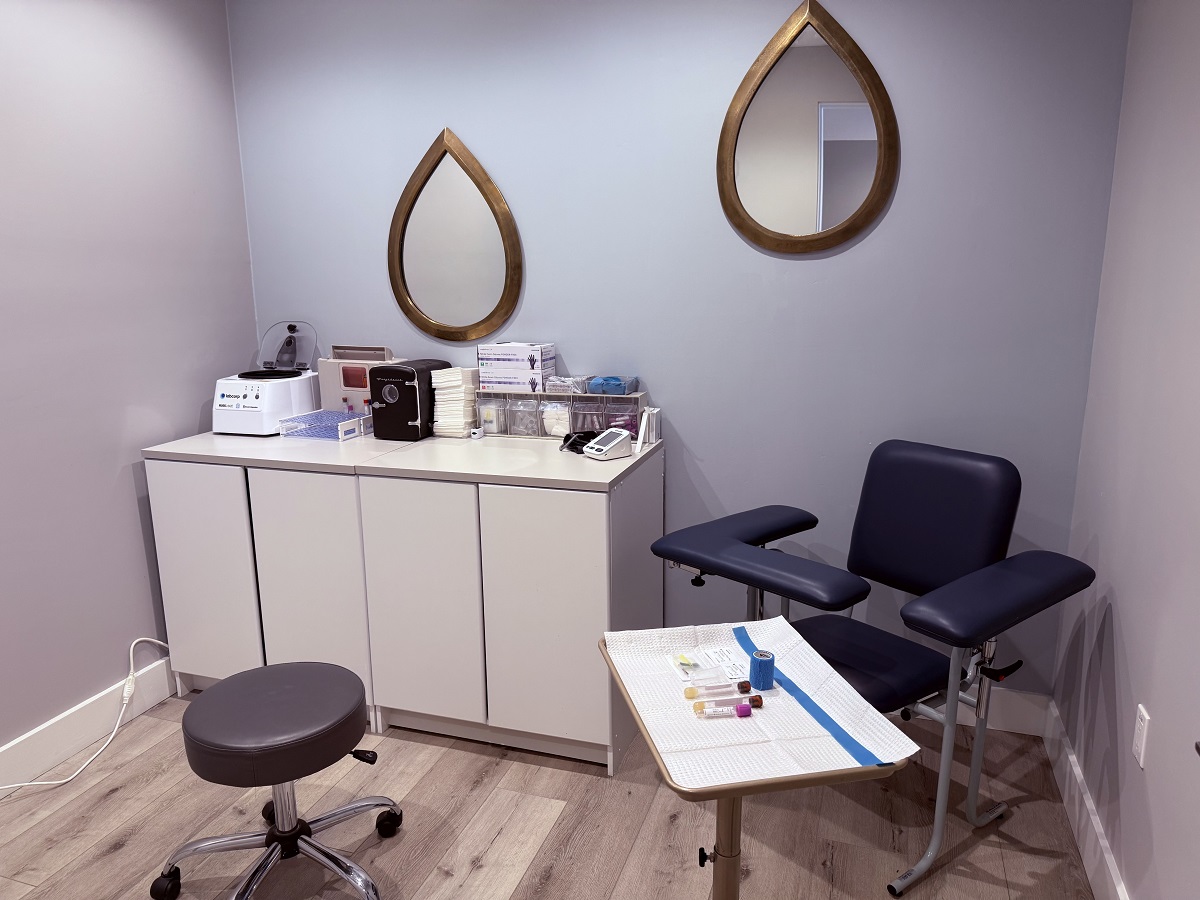
La Jolla has no shortage of wellness-oriented branding. Some of it is harmless and some of it can coexist with excellent care. Still, polished marketing can blur important distinctions. A sleek website, luxury office design, and energetic testimonials do not tell you how a clinic handles a borderline lab result, elevated hematocrit, or a patient whose symptoms do not improve despite normalized testosterone levels.
One common red flag is the package mentality. If every patient seems to leave with the same bundle of testosterone, supplements, add-on medications, and a recurring membership fee, ask why. Sometimes standardized workflows improve efficiency. Other times they simply reduce individualized thinking.
Another warning sign is casual certainty around ancillary drugs. Medications such as aromatase inhibitors or fertility-preserving agents should not be treated like automatic attachments to every TRT plan. They may be appropriate in some cases, but not as a reflex. Competent care weighs symptoms, lab trends, and actual need.
You do not need a clinic to feel luxurious. You need it to feel medically grounded.
Cost deserves a clear conversation, not a vague estimate
TRT is often described in monthly terms, but the true cost can be broader than the advertised number. Medication is one piece. Lab work, office visits, follow-ups, injection supplies, shipping, and additional prescriptions can change the equation. Some clinics are transparent about this from the start. Others are not.
Ask for a realistic picture of year-one expenses. This is especially important because TRT is not usually a short experiment. If it helps and you continue, this becomes part of your routine health spending. The financially smart question is not “What is the cheapest plan?” It is “What am I actually committing to if I start and do this responsibly?”
Men sometimes underestimate the value of reliable follow-up because the upfront quote looks attractive elsewhere. Then they run into sparse communication, inconsistent refill timing, or poor lab oversight. Low price can become expensive if the care is thin.
Local access matters, but continuity matters more
There is an understandable appeal to finding a trt clinic La Jolla residents can visit without fighting long commutes. Proximity makes follow-up easier. It can also make treatment feel more real and manageable, especially for men who value face-to-face visits.
Still, local access only helps if continuity is strong. You want to know whether you will see the same clinician over time or bounce between whoever is available. TRT often requires nuanced adjustments based on trends, not isolated snapshots. A provider who knows your baseline, your symptom pattern, your response to prior changes, and your broader health picture is in a better position to make sound decisions than someone glancing at a chart for the first time.
This is one reason I advise patients to ask how the clinic handles communication between visits. Can you reach someone when questions come up? Are lab reviews rushed? If side effects appear, do you wait two weeks for an appointment, or is there a clear process for timely guidance?
Hormone care works better when the relationship is steady.
Health history changes the conversation more than many men expect
A 34-year-old with documented low testosterone, no major comorbidities, and strong fertility concerns presents a different clinical scenario than a 58-year-old with obesity, hypertension, poor sleep, and symptoms that may have multiple causes. A smart clinic does not flatten those differences.
Cardiovascular history, clotting history, prostate concerns, sleep apnea risk, prior anabolic steroid use, and mental health history all deserve attention. So do medications. Opioids, certain psychiatric medications, glucocorticoids, and other drugs can influence hormones or symptoms. Even something as ordinary as inconsistent sleep due to shift work can complicate interpretation.
This is where good medicine can feel slower than patients expect. That is not always pleasant, especially if you have already decided TRT must be the answer. But slowing down is sometimes exactly what protects you from starting the wrong treatment for the wrong reason.
Labs are not the whole story, but they are not optional either
A recurring mistake in hormone discussions is swinging too far in one direction. Some people obsess over the number while ignoring symptoms and function. Others dismiss lab values altogether and focus only on how they feel. Neither approach is adequate.
Symptoms matter because medicine is about people, not spreadsheets. Labs matter because biology is not guesswork. The best clinics integrate both. They recognize that a patient is not “fixed” simply because a value landed in range, and they also recognize that symptoms alone cannot justify careless prescribing.
One of the most useful signs of clinical maturity is a provider who can say, “Your level improved, but your symptoms did not improve enough, so we need to rethink the plan,” or, “Your symptoms fit, but these other factors need treatment before testosterone is likely to help.” Those are not sales lines. They are the language of actual care.
A brief note on expectations in the first few months
Patients often want a timeline, and that is reasonable. Some effects of TRT may be noticed within weeks, while others take longer. Libido and energy can shift earlier for some men. Body composition changes, strength gains, and visible physical changes usually depend on a longer horizon and on what else the patient is doing with sleep, diet, trt clinic La Jolla resistance training, and alcohol intake.
What matters most is not chasing an overnight transformation. It is watching for meaningful improvement without losing sight of safety. If the clinic prepares you for that, it is a positive sign. If the tone is all before-and-after excitement with little discussion of adjustment periods, side effects, or realistic response variability, step back.
Practical signs you may have found the right clinic
Not every patient knows how to judge clinical quality on the first visit. Fair enough. There are, however, some patterns that tend to be reassuring.
- The provider asks detailed questions before talking about treatment.
- Fertility, sleep, weight, and other reversible factors are discussed openly.
- The clinic explains follow-up, labs, and costs without dodging specifics.
- Recommendations feel individualized rather than prepackaged.
- You leave understanding both benefits and risks, not just one side.
Often, patients can feel the difference. One office leaves you feeling processed. Another leaves you feeling evaluated. That distinction matters.
Why the right questions protect more than your lab values
TRT is not simply about raising testosterone. It is about deciding whether hormone therapy fits your health, your goals, your stage of life, and your tolerance for ongoing management. A clinic that respects that complexity is more likely to serve you well.
For one patient, that may mean starting treatment after a proper workup confirms clear deficiency and symptoms. For another, it may mean fixing sleep apnea, reducing alcohol, losing visceral fat, or adjusting medications before revisiting testosterone. For a third, it may mean preserving fertility options first and avoiding a rushed start.
That is why the smartest patients do not ask only whether the clinic can prescribe TRT. They ask how the clinic thinks.
If you are considering a trt clinic La Jolla offers, look past convenience and branding. Listen for nuance. Ask about diagnostic standards, fertility, monitoring, cost, side effects, and continuity. The answers will usually tell you whether you are stepping into careful medicine or just another subscription model with a lab requisition attached.
When treatment is appropriate, well-run TRT care can be genuinely useful. The key is finding a clinic that treats the decision with the seriousness it deserves.
SDBody La Jolla
7710 Fay Ave, La Jolla, CA 92037
+1 858-401-2383
FAQ About trt clinic La Jolla
How much should my TRT cost?
TRT costs depend on the clinical evaluation, medication, laboratory testing, and follow-up plan. Ask for an itemized estimate that includes the initial visit and ongoing monitoring. SDBody La Jolla can explain its current fees after discussing the services being considered.
Will Insurance Pay for TRT in La Jolla?
Coverage depends on your plan, diagnosis, prescribed treatment, and provider network. Ask your insurer about medical necessity requirements, prior authorization, laboratory coverage, and out-of-pocket costs. Confirm SDBody La Jolla's billing arrangements directly; insurance payment is not guaranteed.
Is TRT safer than steroids?
Testosterone is itself an anabolic steroid. Clinician-prescribed replacement for confirmed testosterone deficiency differs from nonmedical steroid use, but it still carries risks and requires monitoring. Possible concerns include increased red blood cell levels and reduced sperm production. Discuss your medical history and fertility goals with a qualified clinician before considering treatment.
❧